top of page


Florin
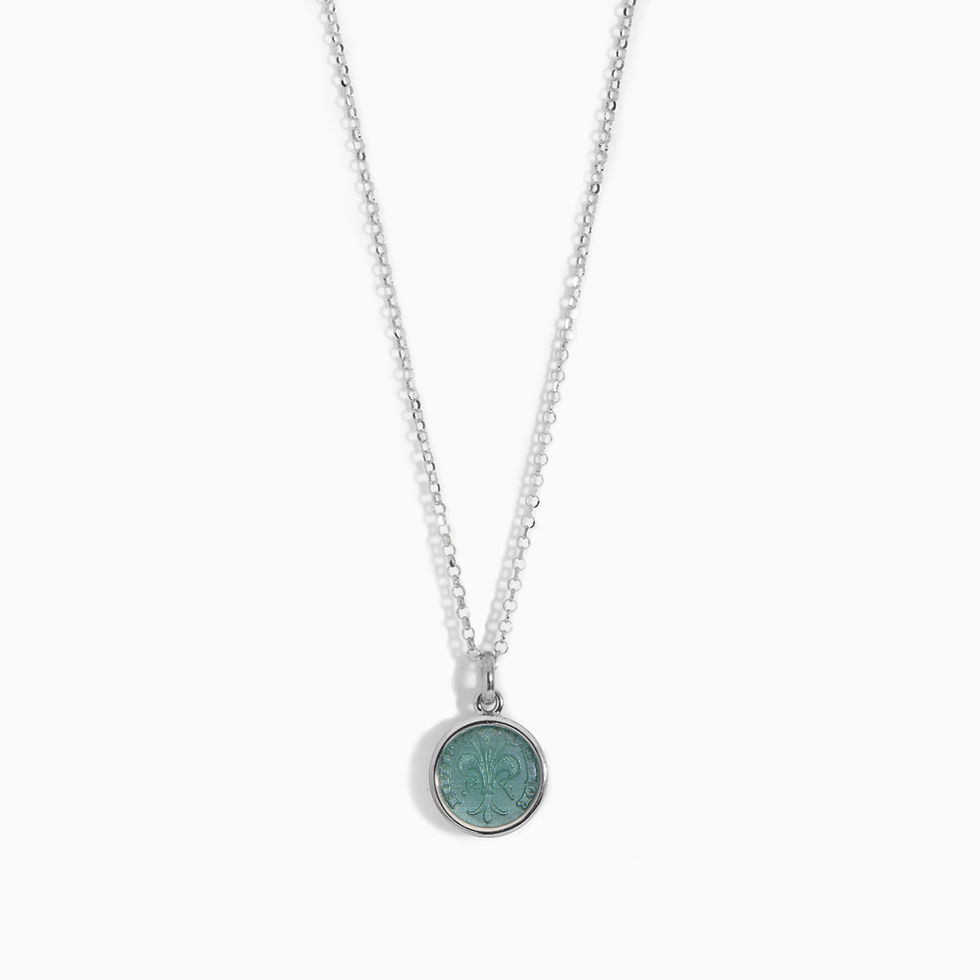
The name derives from the fleur-de-lis engraved on the coin, the symbol of the city of Florence.
The gold florin, created in Florence in 1252, was the leading gold currency in Europe during the Middle Ages and the Renaissance, comparable to today's euro in terms of circulation and influence. Minted in 24-carat gold (3.54 grams), it featured the Florentine lily on one side and Saint John the Baptist on the other.
It became the “dollar” of the Middle Ages thanks to the strength of Florentine banking, facilitating international trade.
The name derives from the fleur-de-lis engraved on the coin, the symbol of the city of Florence.
The gold florin, created in Florence in 1252, was the leading gold currency in Europe during the Middle Ages and the Renaissance, comparable to today's euro in terms of circulation and influence. Minted in 24-carat gold (3.54 grams), it featured the Florentine lily on one side and Saint John the Baptist on the other.
It became the “dollar” of the Middle Ages thanks to the strength of Florentine banking, facilitating international trade.
…




bottom of page